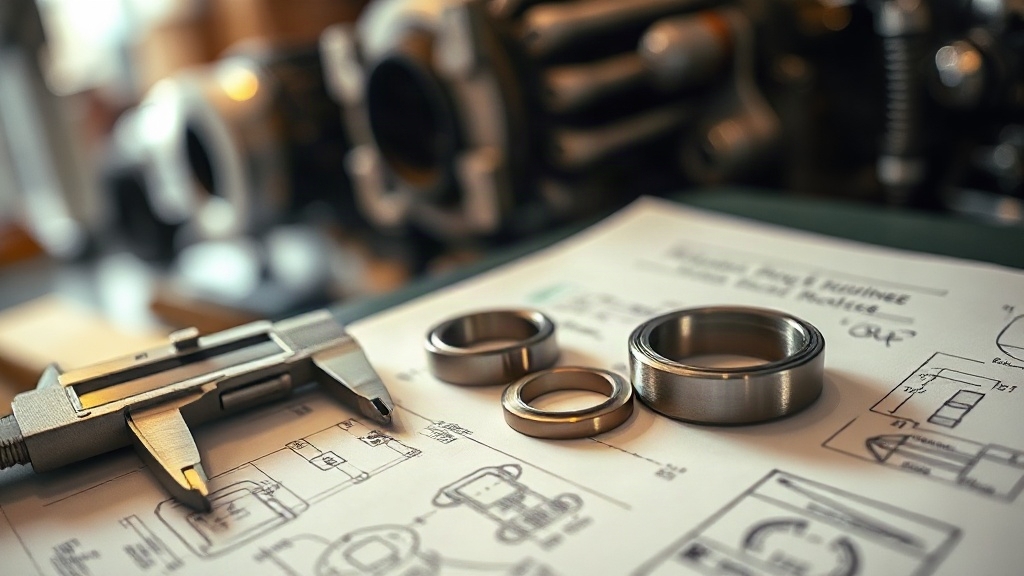
Choosing Useful Tolerances for locking cylinder bodies
Most shop problems do not start at the machine. They start when a key need is left open. With locking cylinder bodies, that need may be bore position and key slot size. A short talk about the part's role can save weeks of later checks and changes.
Good machining work depends on shared facts. The design team knows the use. The shop knows its tools. The buyer knows the order plan. When those views meet early, locking cylinder bodies can move from trial pieces to steady supply with less fuss.
If the job calls for custom CNC work, a good shop review can help. Learning about precision machined components can give buyers a starting point. Still, each drawing should be checked on its own terms.
Brief Overview
- Start with the part's role in industrial access hardware. Check the drawing note for bore position and key slot size. Review brass for load, wear, and fluid use. Plan bore and slot checks before the first full lot. Aim for repeat fit without waste with clear supplier records.
Where Tight Limits Make a Real Difference for locking cylinder bodies
Start with the job of locking cylinder bodies in industrial access hardware. The main task is to support a smooth lock mechanism. The tightest limit should protect bore position and key slot size, not every face. A small size change can lead to poor lock action. The best plan makes the part easy to build and easy to check. A useful first step is to rank each size by its use. The team should note which surfaces carry the most risk. Think about the load, the contact area, and how the part sits. Clear notes help a new team member follow the job. The most useful question is often simple. What must this part touch? Even a small part can stop a whole line.
Before cutting metal, review how the part will be fitted. Ask where a worker will hold it during the build. Use the real mating part to see how much clearance is needed. One clear sketch can prevent several rounds of email. Ask what must stay the same from lot to lot. The plan should cover bore position and key slot size and the mating part. Make room for a test fit if the joint is new. Make the design team and the machine shop use the same terms. Small edge cuts can make a big change at assembly. One test fit can settle a long debate about size. A short risk list can focus the next review.
Material and CNC Process Choices for locking cylinder bodies
Material choice starts with the work site, not just the price. For locking cylinder bodies, one possible stock choice is brass. Metal choice can change how easy a small limit is to hold. The process may involve CNC drilling and milling. Each cut needs a sound way to hold the stock. Share the use of the part before asking for a quote. Thin walls and long shapes can shift during a cut. Keep the raw stock form on the drawing when it matters. Metal grade names should be exact, not broad. A clear process path is easier to repeat. Good clamping keeps the part safe during a cut.
Good machining starts with a part plan that both sides can read. Use one drawing version for the quote and the first sample. Every new setup has a chance to move the final size. Review the finish and edge notes before the first shipment. A closer look at machining parts manufacturers can help frame a practical process review. Explain the need for a smooth lock mechanism before judging a process change. Look for a clear answer rather than a vague promise. The same choices help when the order moves to repeat lots. Do not skip burr removal near a seal or moving joint. Watch for sharp edges near a moving seal. Confirm that the new plan can be checked with real gauges. Keep the final use in mind when reviewing a tool path.
Inspection and Fit Checks for locking cylinder bodies
Quality checks should follow the way the part works. For this part, useful checks include bore and slot checks. Measure the fit with bore and slot checks at planned steps. Use the same check terms in the shop and the report. Record the actual readings for critical features. Share the inspection plan while the drawing is still open. Look closely at bore position and key slot size when approving samples. Use a clear method so two people get close results. Write down the tool used for each check. Keep the gauge clean and in sound order. Measure at the right point, not just the easy point.
First samples show more than the final size. They can reveal burrs, tool marks, and hard assembly steps. Check if the first and last parts both meet the fit need. Ask for a fit study and first part review when the order risk calls for it. A good check plan catches trouble before pack and ship. Make sure the current drawing is near each gauge. Keep odd readings separate for review, not mixed into good stock. Write down what changed and what was checked again. Hold doubtful pieces until a review is complete. Test one new setup before the whole lot runs. Compare the first and last pieces in a run.
How to Plan Orders and Repeat Supply
A clean quote needs more than a part number. Send the drawing, grade, yearly need, and lot size. Ask the shop which limits drive extra time or scrap. Ask the shop to note any open question before price is set. Keep dates for sample review and order release in writing. The choice should support repeat fit without waste. Ask how the shop plans to avoid poor lock action. State the need for bore position and key slot size in the same pack. Set a date when the team will review the quote. Ask for a fair view of setup and tool costs. Two quotes can look close yet cover different work.
Once a sample passes, keep the accepted plan easy to find. Save the drawing version, material note, and check plan. Keep a record of why each tight limit matters. Ask for reports that help staff act, not just add pages. Use clear labels so parts do not mix at pack time. Make sure the pack method protects bore position and key slot size. For larger orders, test whether the same fit holds over time. These habits make it easier to put tight limits only where they help. Ask how a repeat order is started and checked. Talk early if demand starts to change. Good labels can prevent mix-ups at the next station.
Frequently Asked Questions
What matters most when buying locking cylinder bodies?
Start with the job and the mating fit. Then review the stock grade, drawing, and check plan. Ask the shop how it will hold the part and prove the main sizes. A price is useful only when the work scope is clear.
Which material is best for locking cylinder bodies?
There is no one grade for every job. Brass may suit some uses, but load, heat, fluid, and wear all matter. Name the work site and ask for a grade review. Keep the agreed grade in the order.
How should a shop inspect locking cylinder bodies?
Use checks that match the drawing and the real risk. For this job, bore and slot checks can be useful. Some features may need extra steps. Ask for first part results and a clear plan for each later lot.
What can cause trouble during assembly of locking cylinder bodies?
A common risk is poor lock action. Burrs, mixed parts, or the wrong drawing can add to it. Try the first samples with the mating parts. Record the result and make changes before precision machined components the main order.
How can buyers keep repeat orders of locking cylinder bodies stable?
Keep the same drawing revision, approved metal grade, and key check plan. Ask the shop to log any tool or process change. Save the sample notes. These steps help new lots match the fit of the first good batch.
Summarizing
Locking cylinder bodies need more than an accurate cut. They need a clear job, a usable drawing, sound stock, and checks that suit the fit. The key choice is to link each tolerance to a real fit or motion. That helps the team deal with poor lock action before it becomes a costly field issue. Keep the steps simple enough for everyone to follow.
Begin with the use in industrial access hardware, then mark the features that matter. Ask for a sample and proof based on bore and slot checks. Share changes early, and keep the same records for repeat lots. With that plan, the team has a better path to repeat fit without waste.